
Talleres Cortés is fully immersed in transforming its production process. Aware that the future lies in adapting to changes, the factory has begun to look towards Industry 4.0. To achieve this, ceramic molds must adapt to new manufacturing tools and technological advances in order to work more efficiently.
- The first pillar of this work model is the digitalization of the workshop so that all production lines are computerized.
- The second step is to create flexible products and, at the same time, make production more flexible.
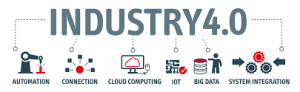
In Cortés's case, production digitalization is already implemented. The objective is for the workshop terminals to allow the entire production chain to know the status of each product. Sales, management, and customers are also included in this section.
Industry 4.0 represents an investment in advanced technology for the machinery that operates in facilities, all designed to meet the demands of a constantly evolving ceramic sector. The result of this ambition also requires the human team to make a new effort towards continuous training. The professionals of the CORTES brand have adapted to this workshop model, distancing themselves from old practices daily.
In addition, apart from fully embracing this new conception of work, Talleres Cortés has implemented its own internal management program for production, an internal quality control system based on continuous product improvement. Customer demand, the need to personalize the catalog, and the interest in always offering the best result of their work have led the factory to self-assess in order to maintain that high standard of excellence.
In this way, Industry 4.0 ceases to be the future and becomes a revolution that is already visible in factories such as Cortés. The manufacturing and marketing of tile molds does not escape the implementation of this industrial modernization process, which, in the medium and long term, will result in lower costs and lead to higher product quality.